American Riviera
GOST Books
233 x 280 mm
112 pages, 58 images
ISBN 978-1-80598-025-4
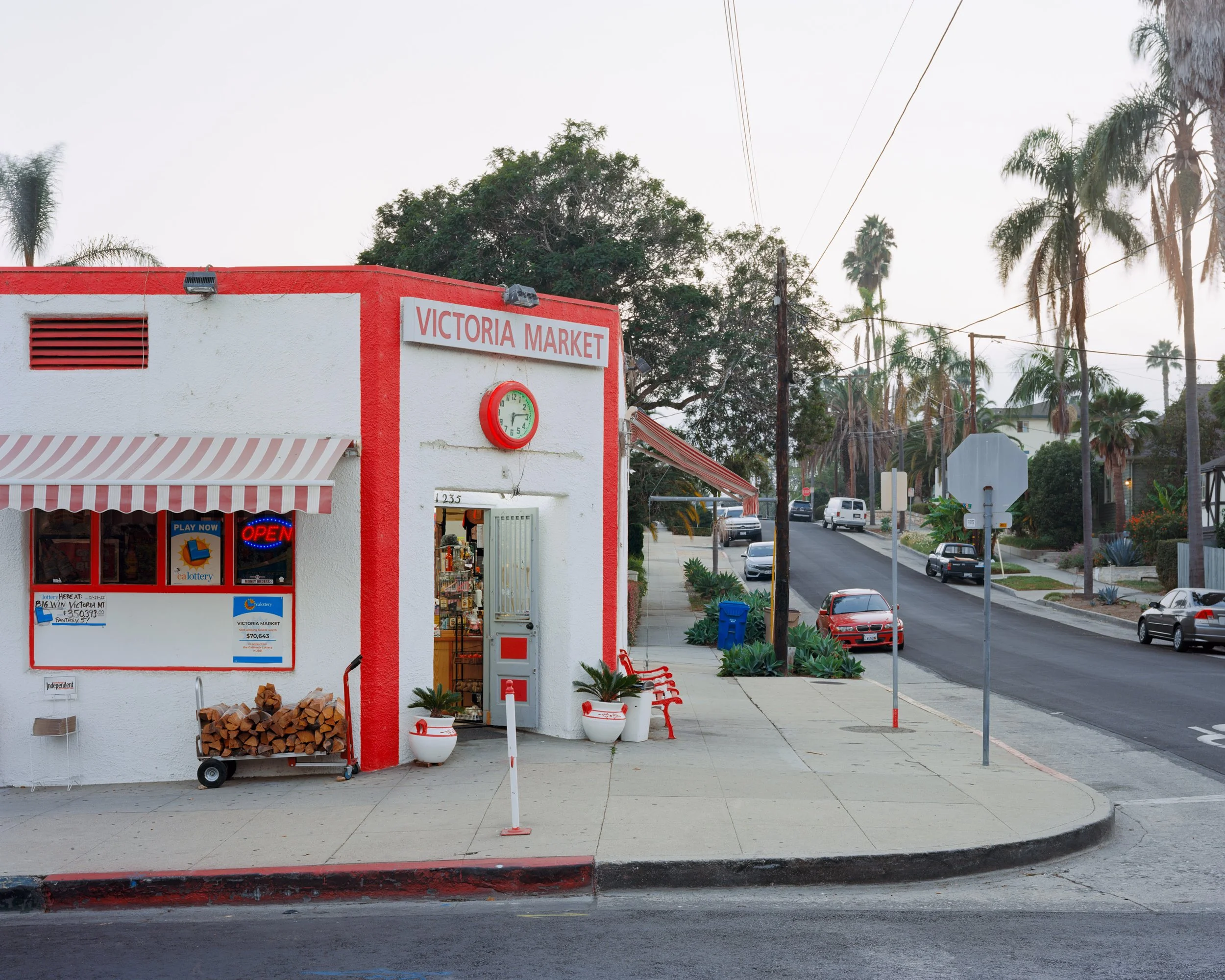
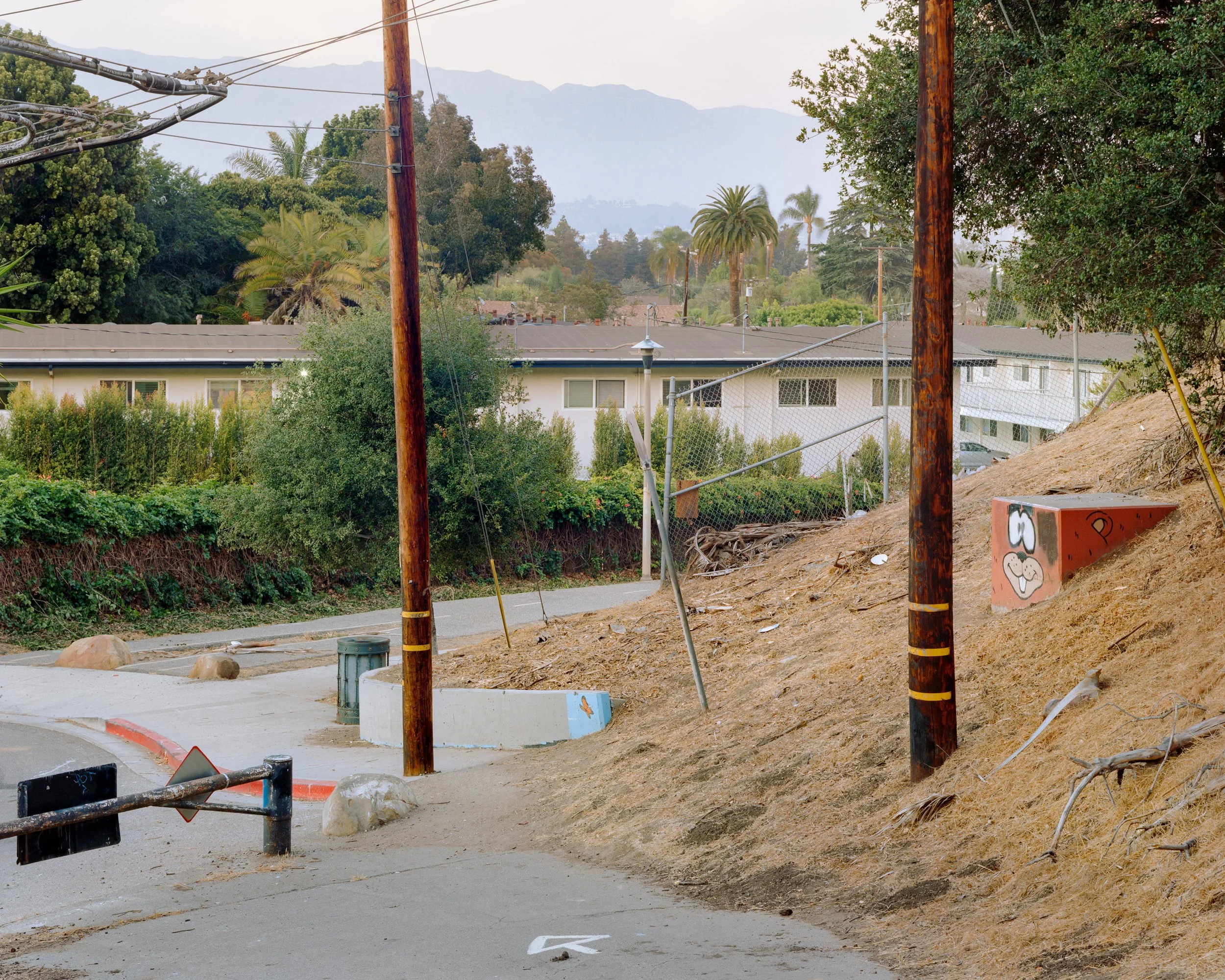
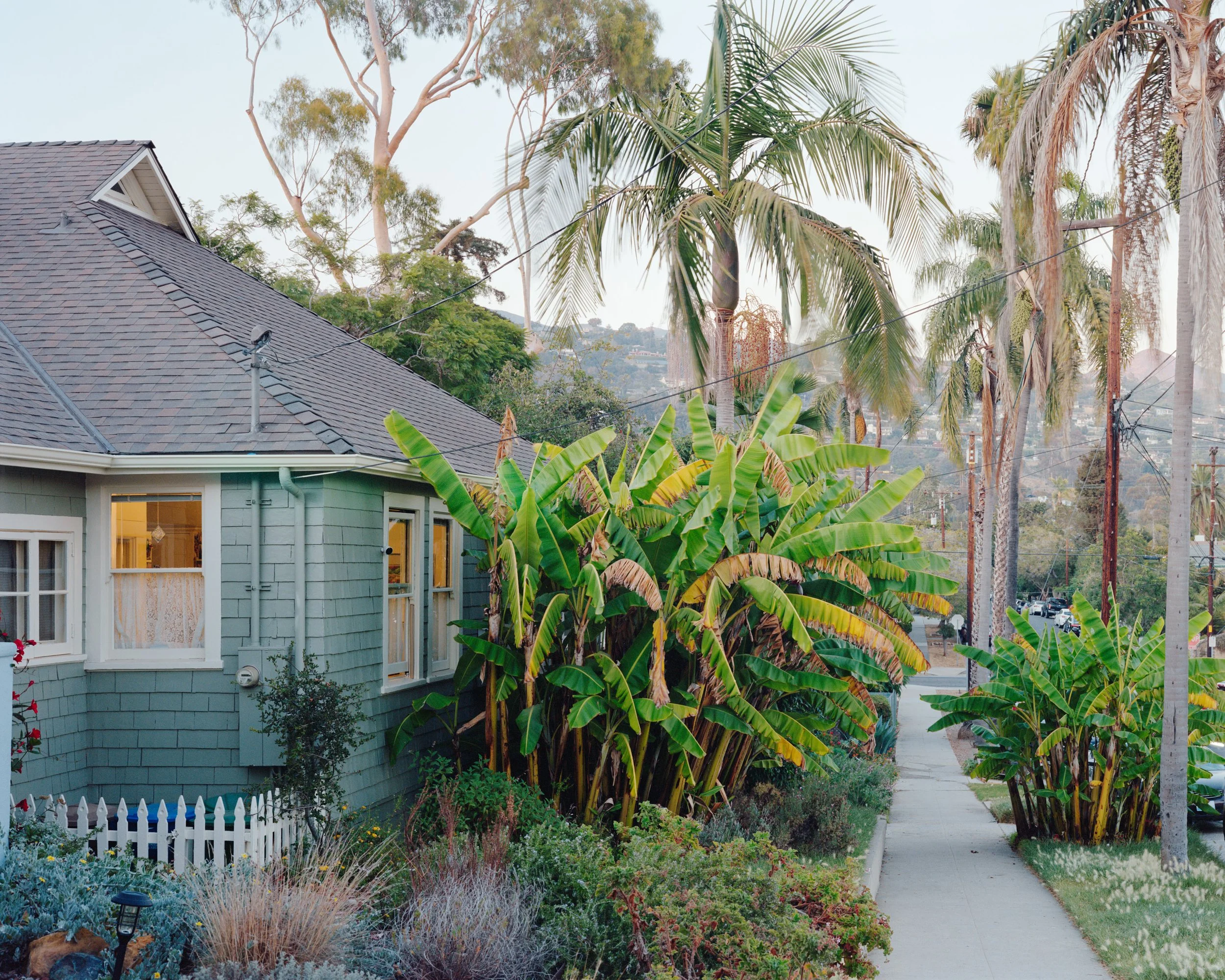
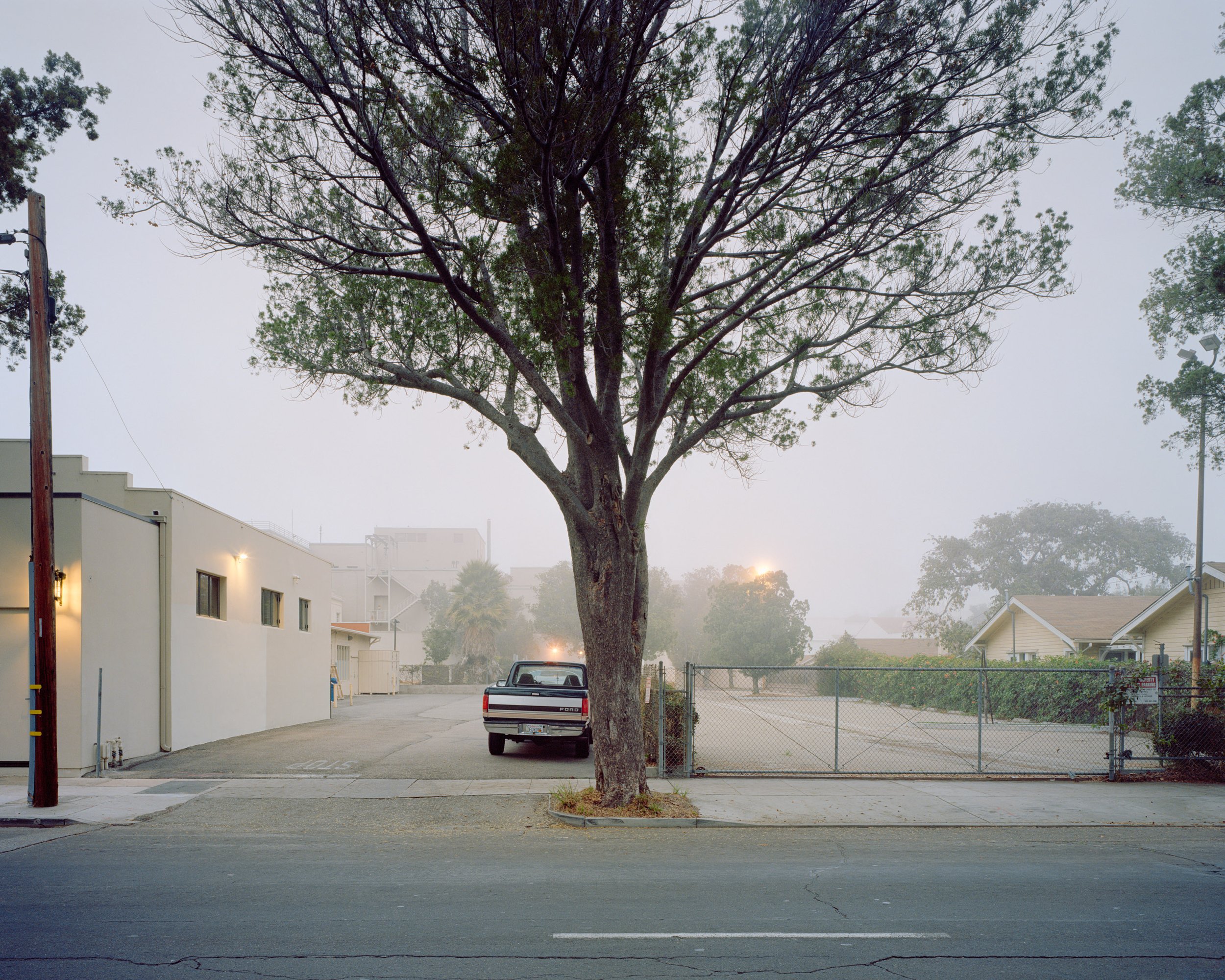
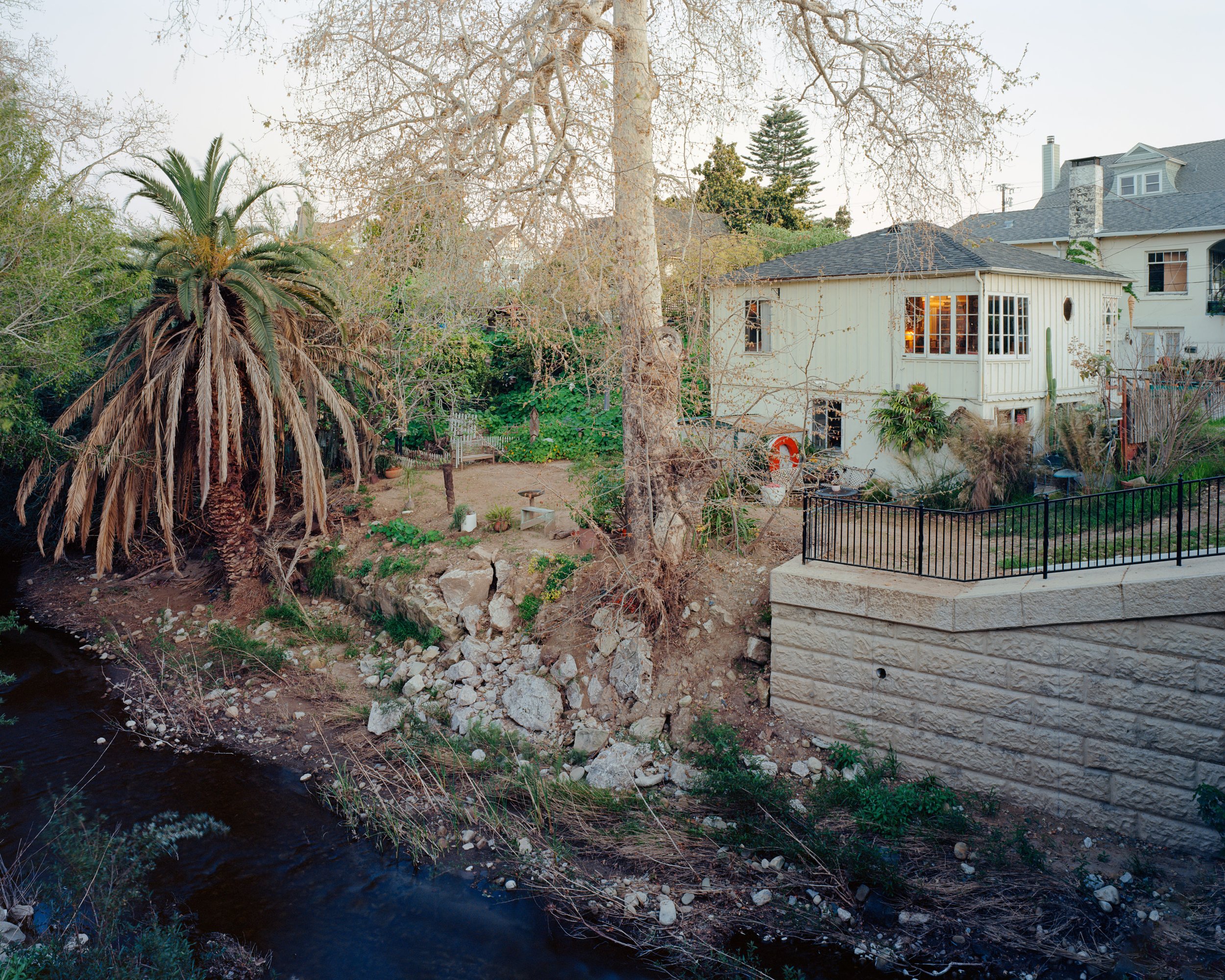
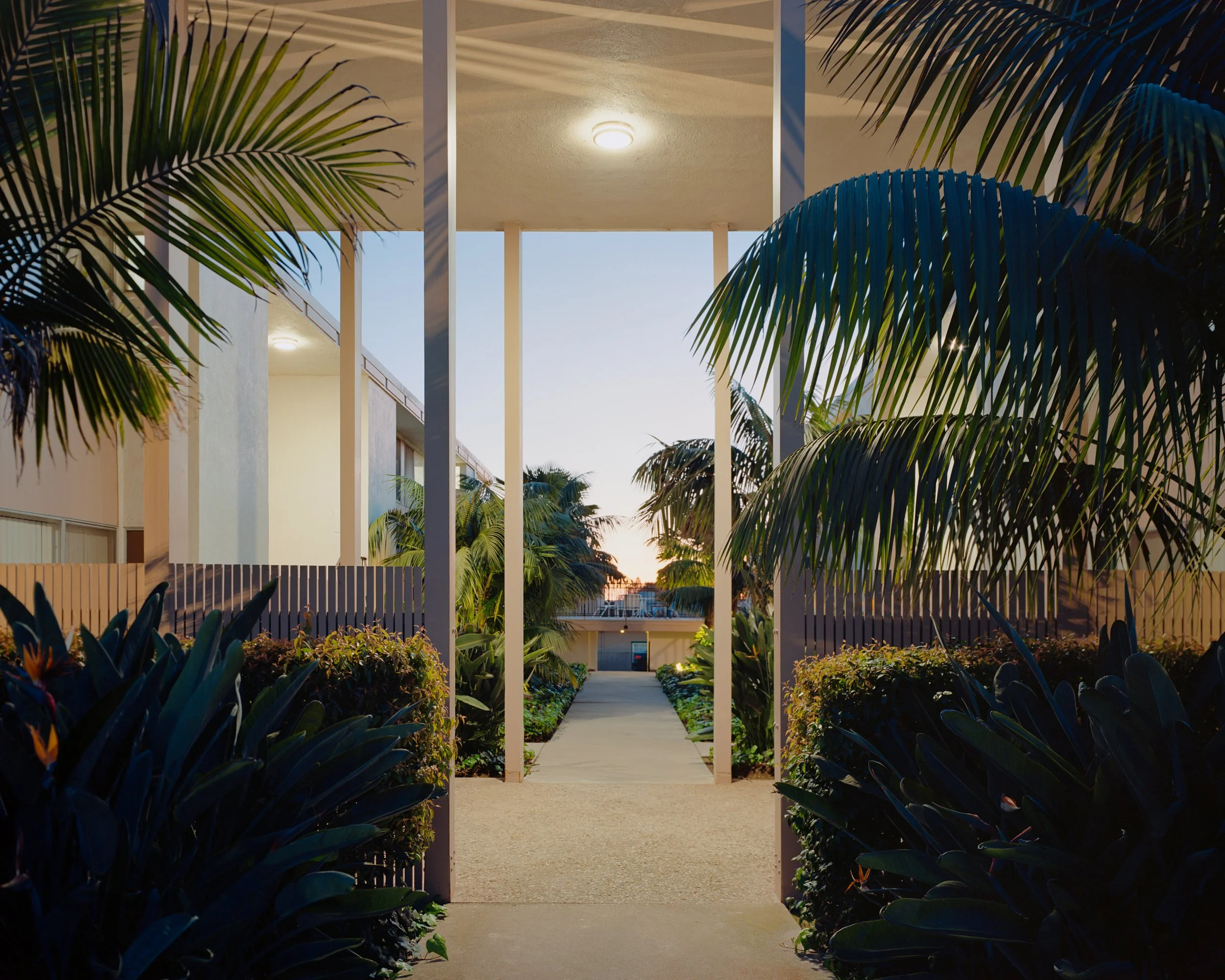
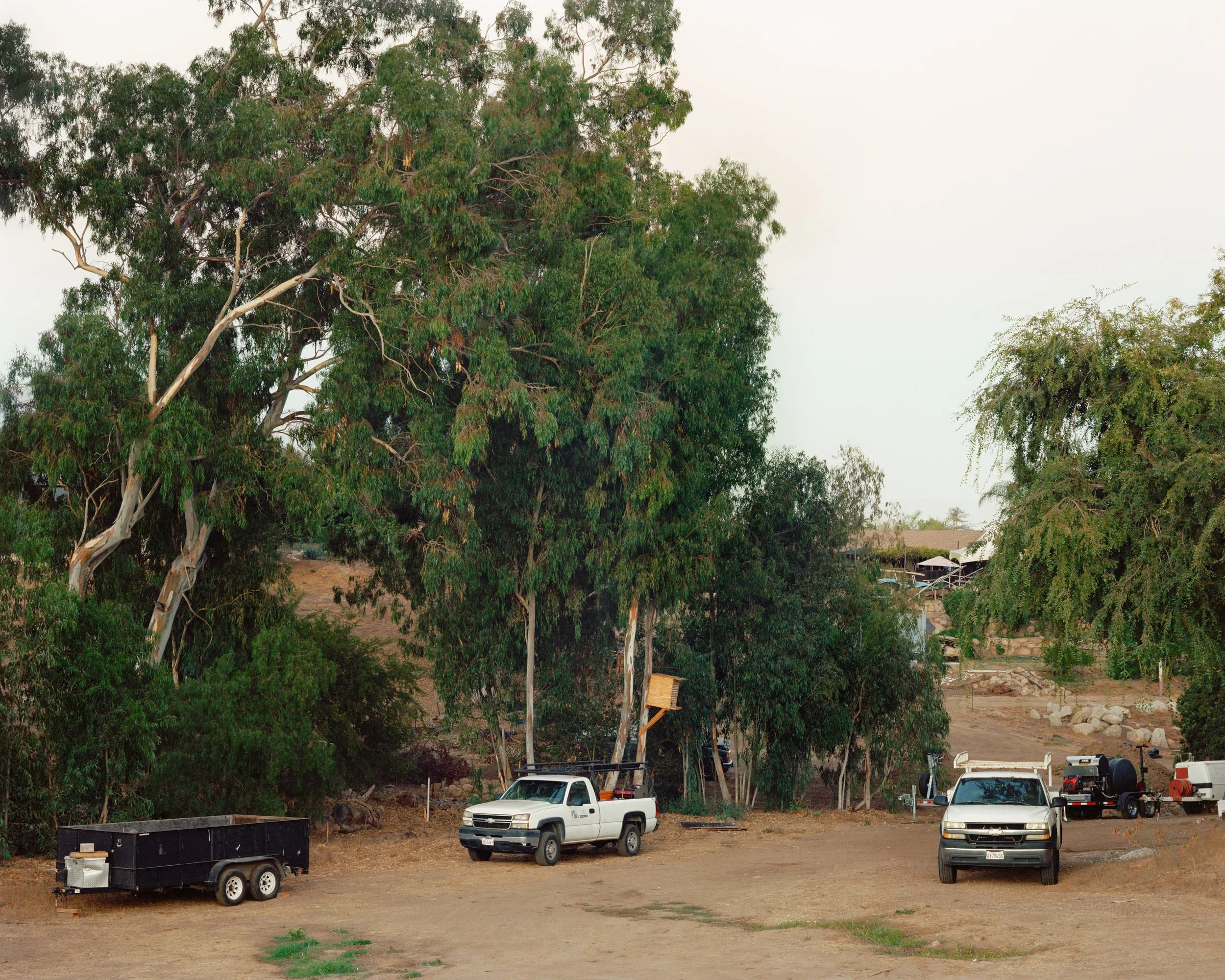
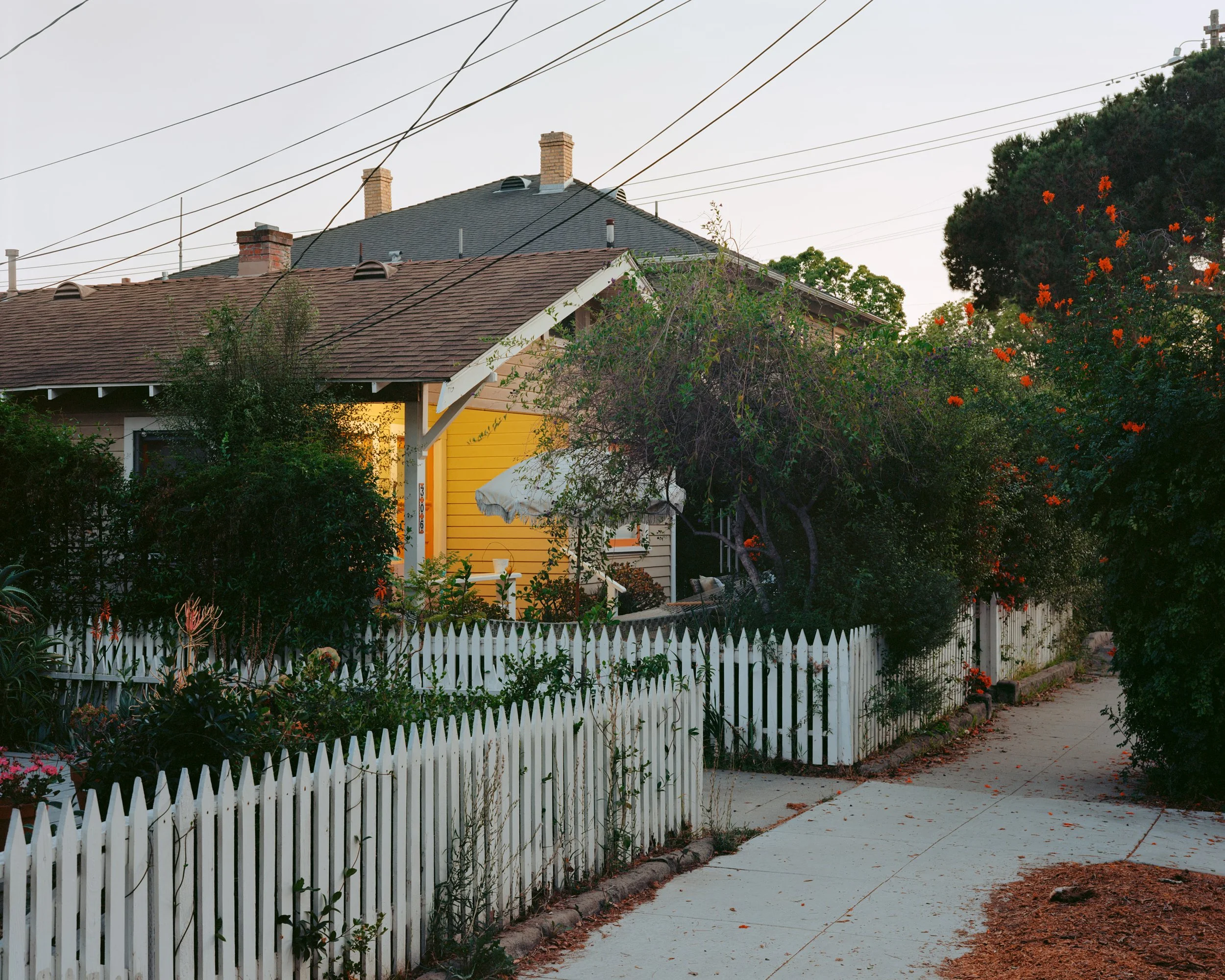
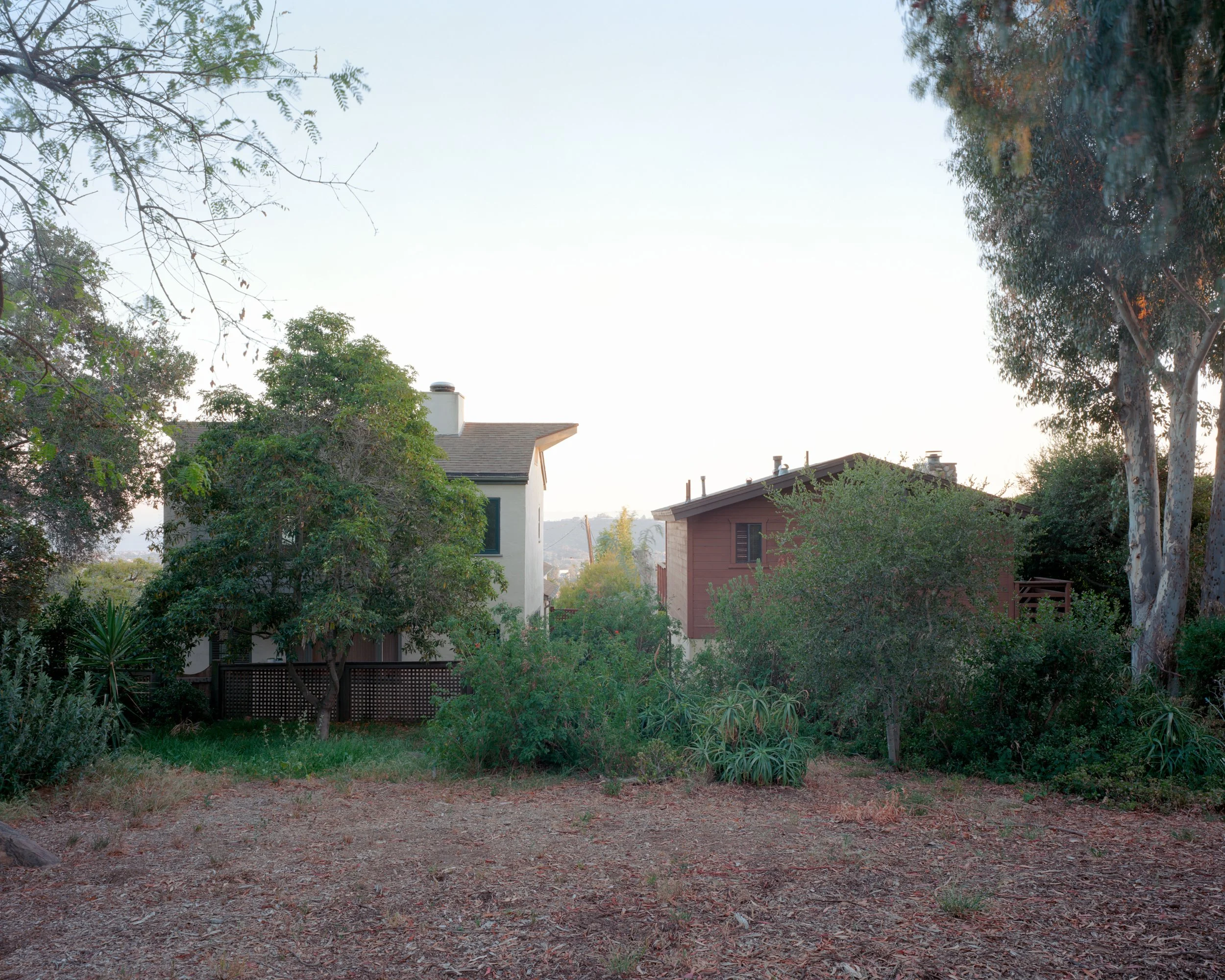
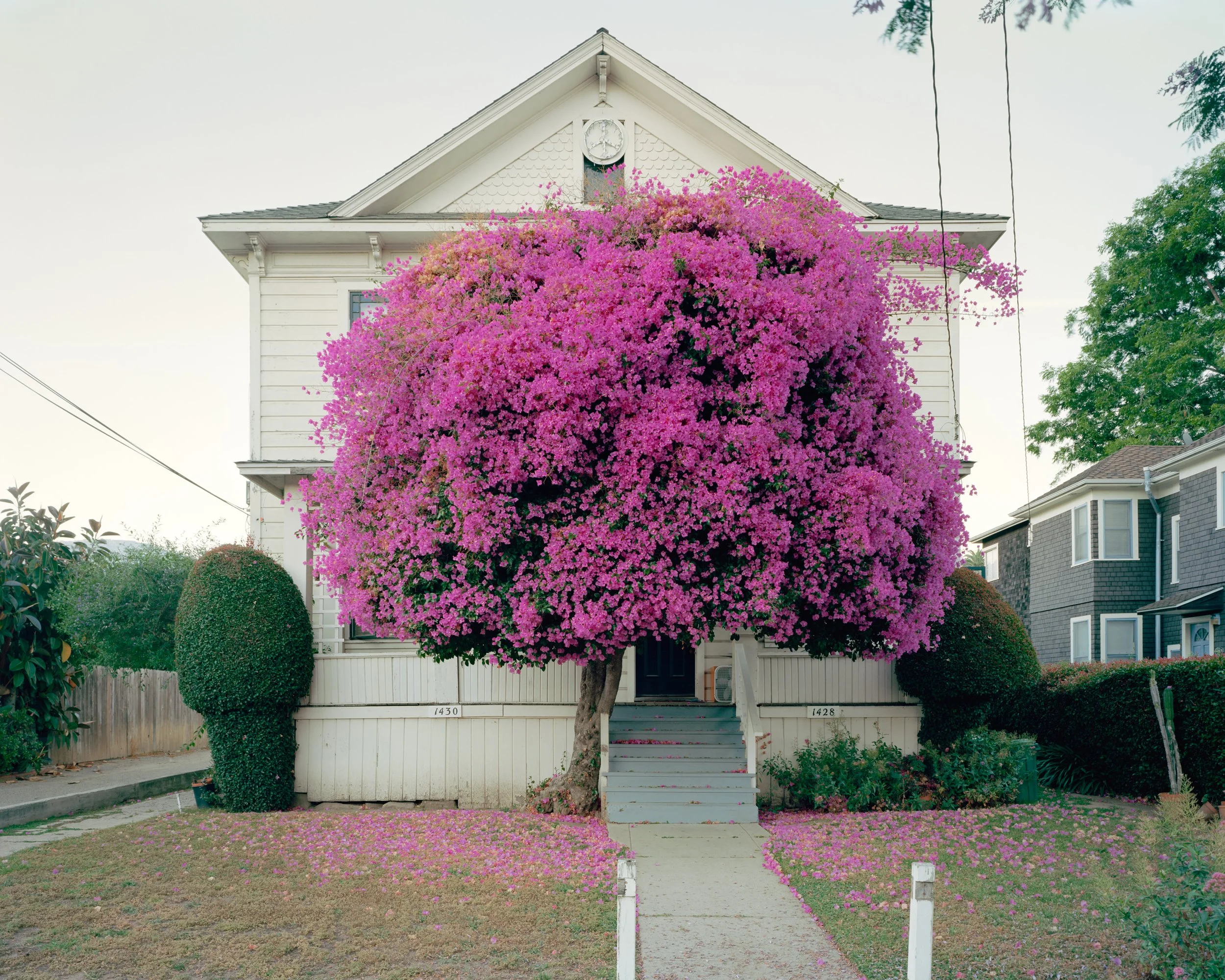
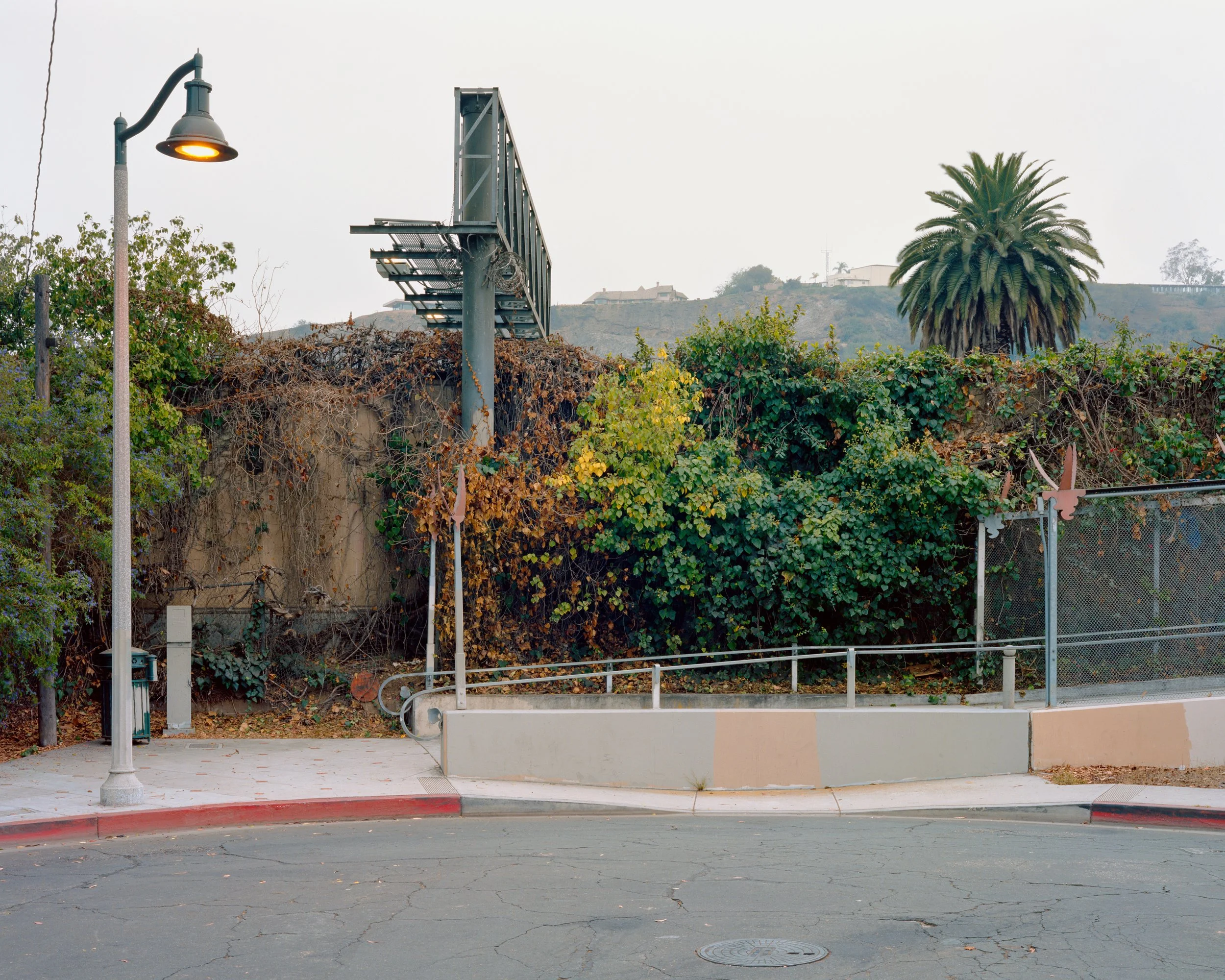
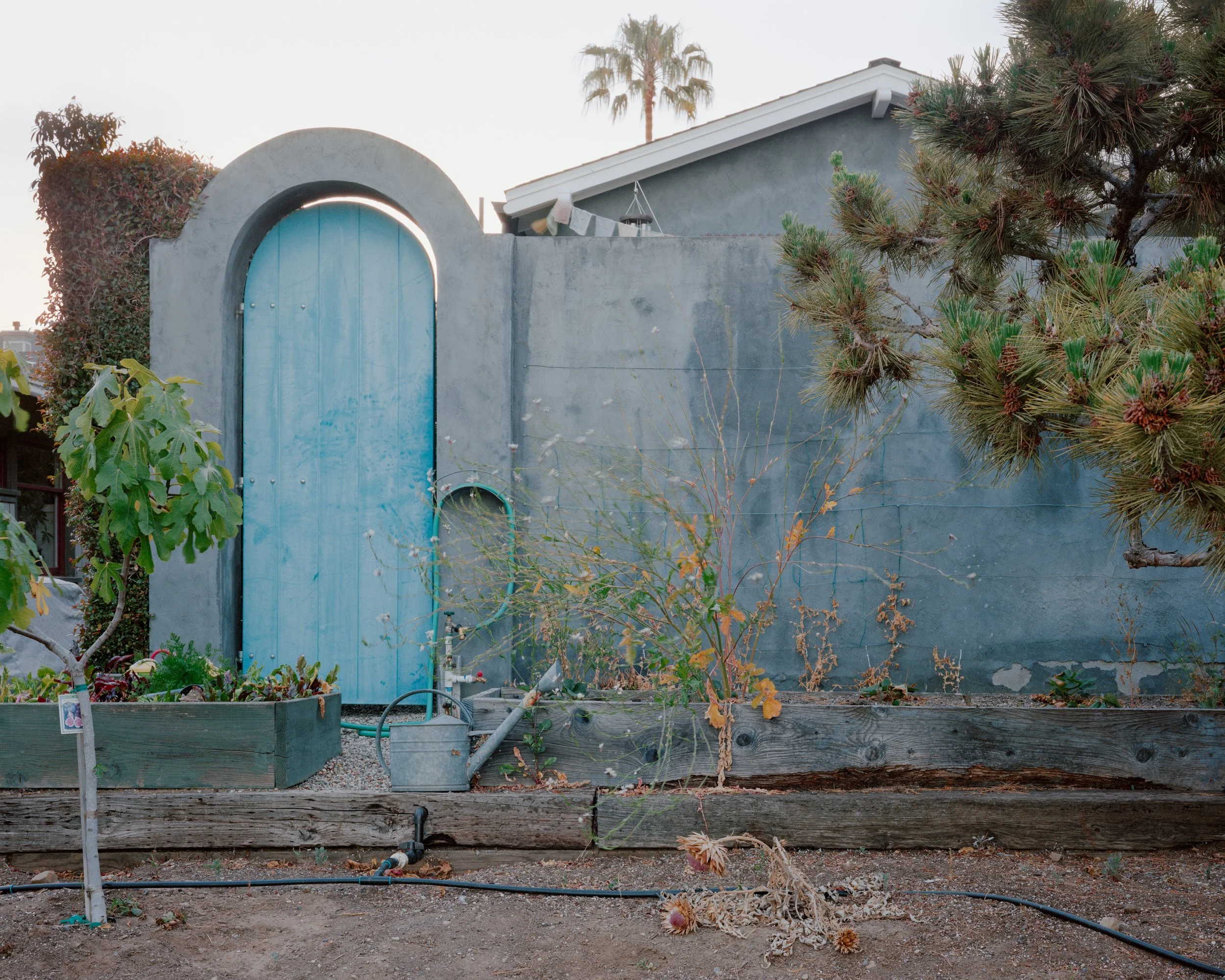
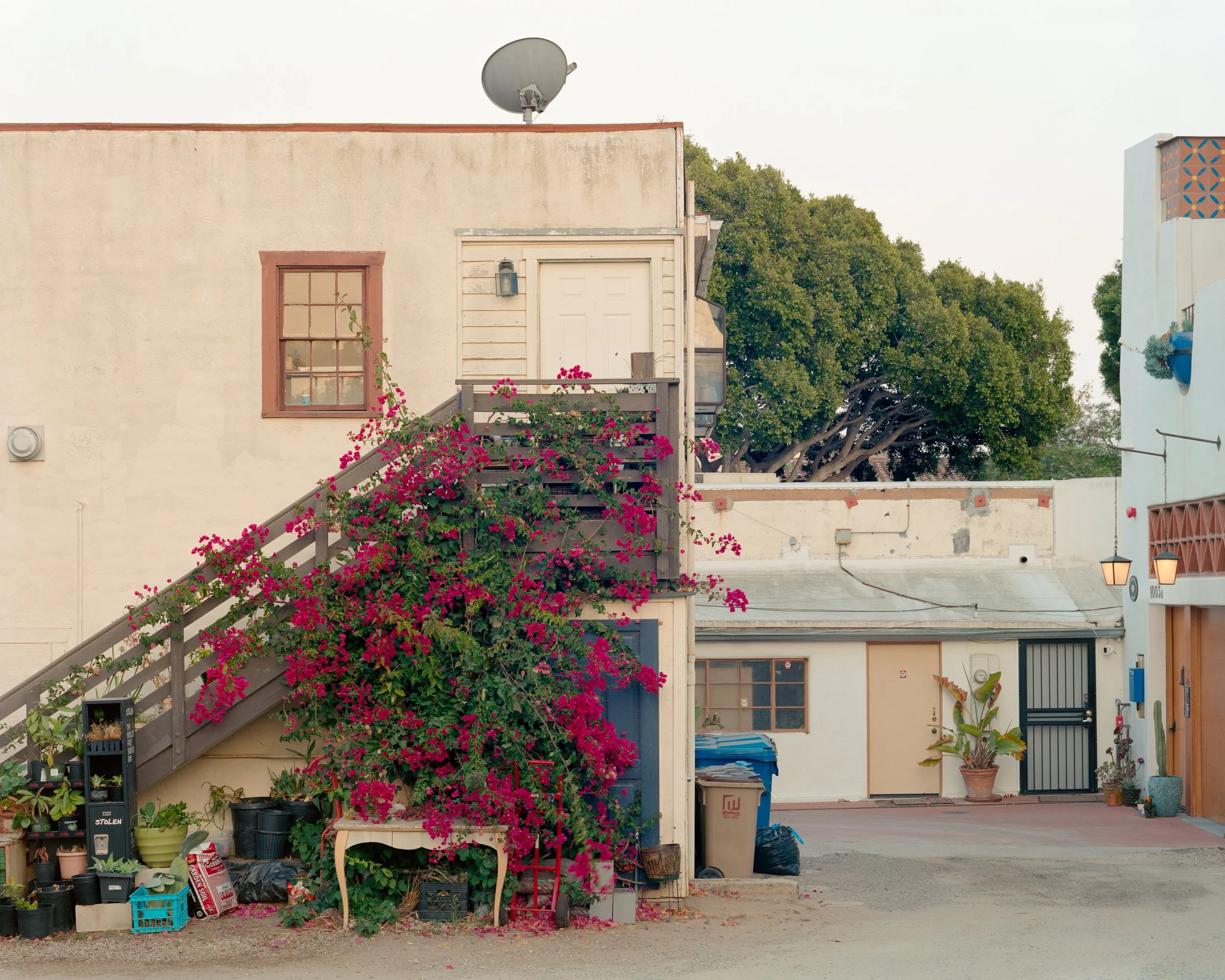
Over seven years, from 2019 to 2025, Matt Walla walked the downtown neighbourhoods of Santa Barbara, California, USA, at dusk, often beginning at his own front door. The resulting photographs in American Riviera form a quiet study of a city better known for its sunny postcard identity than for the ordinary, overlooked corners where its working-class character quietly holds on.
American Riviera is his love letter to his city of residence. Walla captures beauty and lushness in the mundane of a town that the Washington State native now calls home, having moved there in 2003.
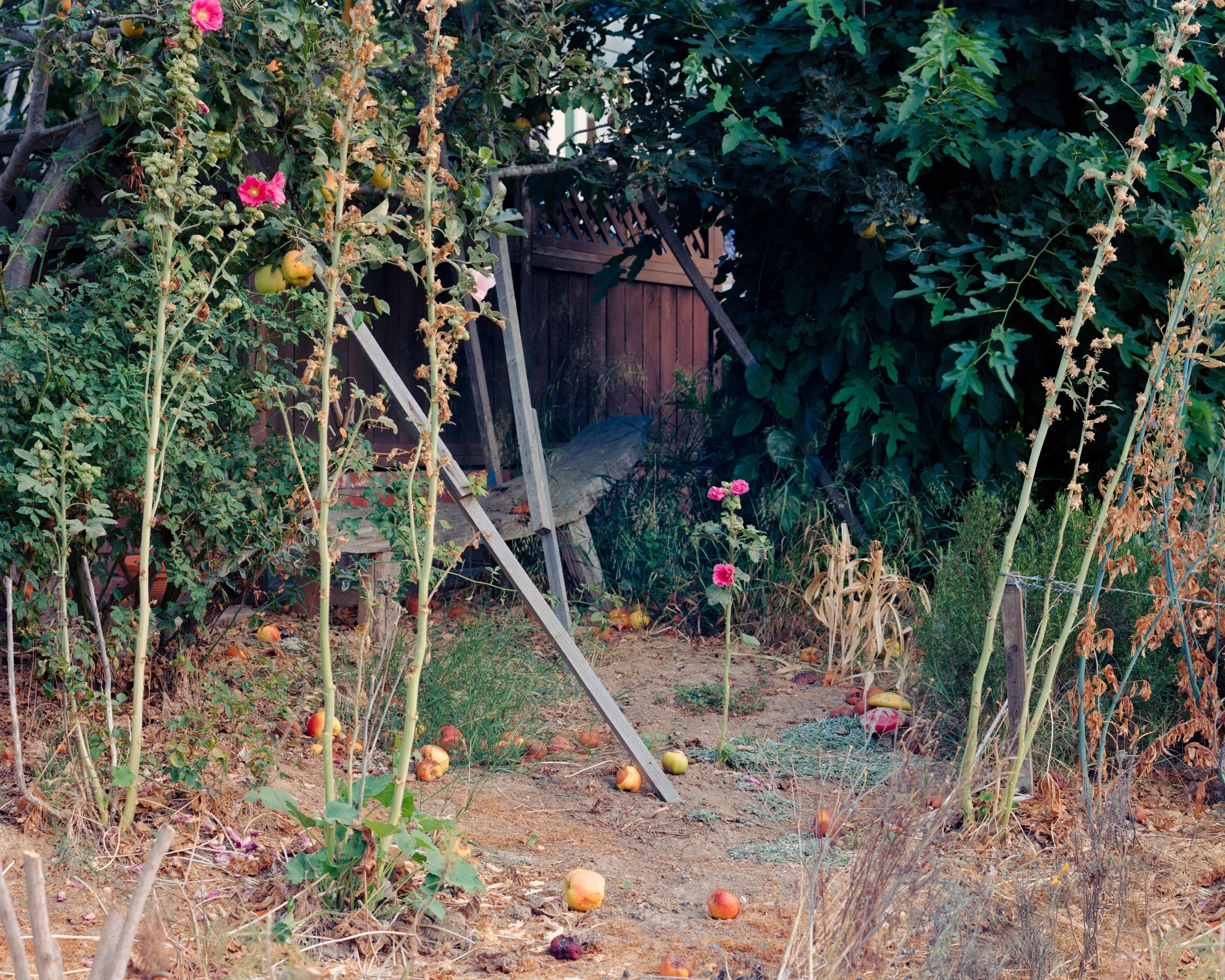
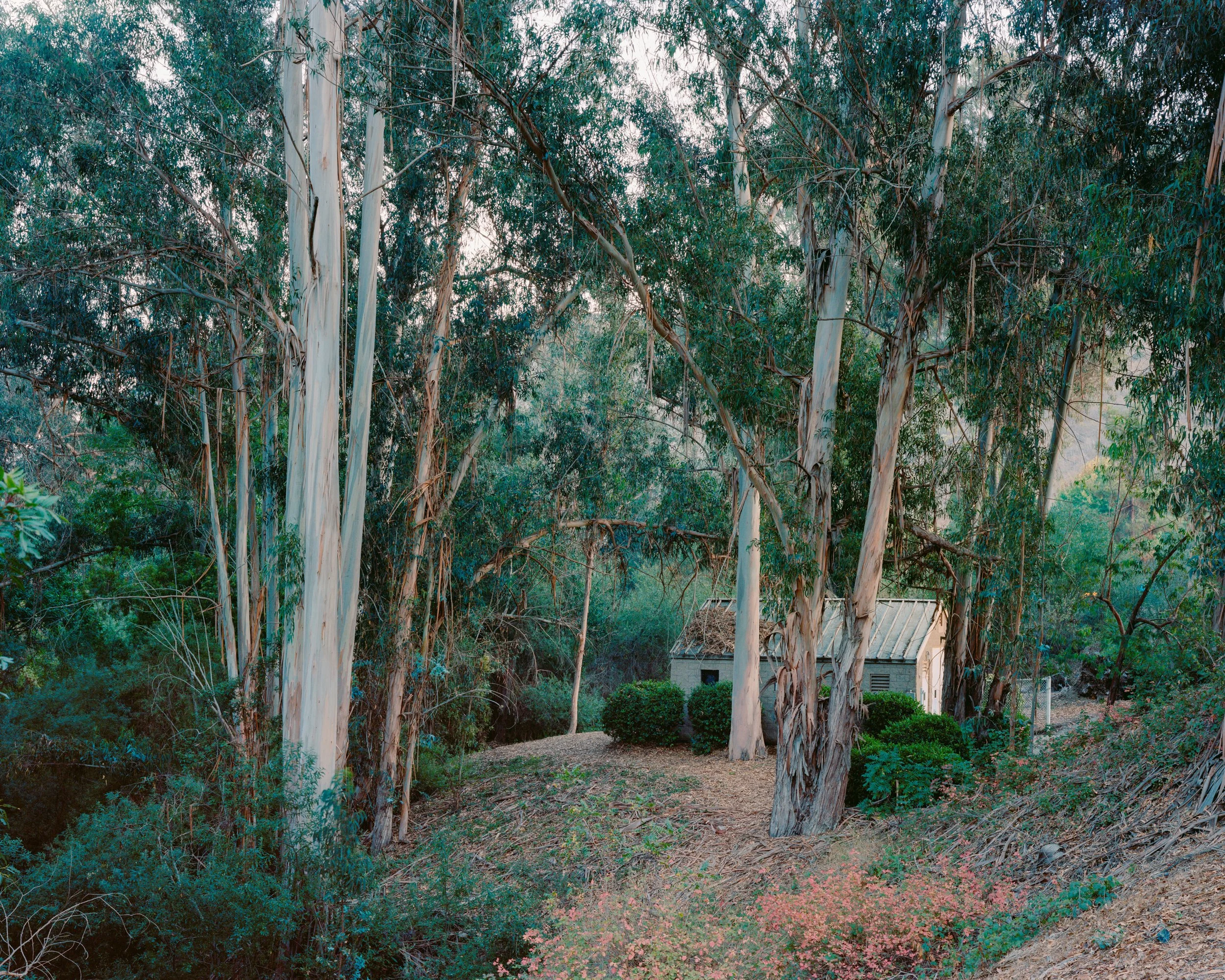
Over time, my wanderings became less about discovery and more about return—revisiting the same corners, the same aging homes and sprawling trees, the quiet ongoing negotiation between the neighbourhood and nature pressing in around it, until they came to feel like a kind of company. They are not documents of a place so much as records of attention—small acts of looking that added up, over seven years, to something that felt like love.
The city of Santa Barbara markets itself as the ‘American Riviera,’ trading on Spanish Colonial Revival architecture, dramatic mountains, and a famously beautiful coastline. But there's another version of the city, one built into its history rather than its scenery: a modest, sleepy beach town of working class homes, built for the families who worked in the city. Many of those families stayed for generations, and it's their version of Santa Barbara, shaped by roots rather than wealth, that most visitors never see. Many of these houses now are also the victims of gentrification and generations of families move away, and buildings sit empty for large parts of the year due to their use as vacation or holiday getaway homes.
The old version of the city is disappearing, not dramatically, just steadily, as the place changes around it. This book is a personal record of one person's attention over a long stretch of time, the overlooked corners and the small but not insignificant changes.
It was the working-class neighbourhoods that drew me in. They had a natural wabi-sabi spirit, with an imperfect, ever-changing quality that appeared at odds with a city so preoccupied with maintaining its own presentation. In a place where so much of the architecture begs you to stop and stare, I was attracted to the uncelebrated spaces, the overlooked and indistinct corners, and ultimately, the parts that reminded me of home.